Chinese Lunisolar Calendar and 24 Solar Terms Explained
You know it is summer in Milan when the city starts doing its yearly impression of a pizza oven. It sat around 32°C this week, the forecast pushes past 35°C by the weekend, and the group chats are back to their favorite summer ritual: complaining about the lack of air conditioning. Standard July in Lombardy.
In Chinese culture, though, this heat is not simply “hot weather.” It belongs to a much older rhythm, the Chinese lunisolar calendar and its 24 solar terms (二十四节气, èrshísì jiéqì). Long before weather apps and dramatic 37°C screenshots, traditional Chinese society had its own way of reading the year, splitting the seasons into smaller, sharper chapters tied to temperature, rainfall, farming, food, and daily life. Less a calendar, more a cultural operating system.
Case in point: on 7 July this year, that system clicks over into a season it named, with zero irony, “Minor Heat.” A couple of weeks later comes “Major Heat.” The calendar called it before Meteo did. No notes.
What are the 24 solar terms?
Park the zodiac animals and Chinese New Year for a second, because this is a different tool. In Chinese calendar, the year runs on 12 lunar months, the 24 solar terms add a second layer on top, carving it into 24 stretches of roughly 15 days each, tracking where the sun actually sits in the sky. Every stretch gets a name for what the weather or the land is doing, which means heat, rain, frost, snow, insects and spring light all become part of a shared seasonal language rather than background noise.

Right now we are leaving the summer solstice (夏至 Xiàzhì). Next up is Minor Heat (小暑 Xiǎoshǔ) from 7 July: hot, but not yet peak hot. Then Major Heat (大暑 Dàshǔ) from 23 July, the sweatiest term on the board. The names are almost aggressively literal, and that is the charm. Ancient Chinese farmers were not going for poetry. They needed to know when to plant, when to harvest, and when to hide indoors. The system works well enough that UNESCO added it to its Intangible Cultural Heritage list in 2016, which is a fancy way of saying the world agreed it was worth keeping.
How the lunisolar calendar works
Here is where the “lunisolar” part earns its name. The months run on the moon. Each one begins on a new moon and lasts about 29 or 30 days, so twelve of them add up to roughly 354 days, about 11 days short of a solar year. Left alone, that gap would drag the calendar earlier and earlier until the new year drifted into autumn. It is also why Chinese New Year lands on a different date every year.
The sun is what keeps it honest. The 24 solar terms come in two alternating types, and a normal lunar month is built to carry one of each: a “sectional” term that opens the stretch and a “principal” term that anchors it. Those principal terms are the pins tying each month to the sun, which is why the winter solstice always sits in the eleventh month. When a month drifts far enough that it ends up with no principal term at all, that is the calendar’s cue to slot in a leap month and catch everything back up. Moon for rhythm, sun for accuracy.
Most festivals, though, run purely on the moon. Spring Festival, the Dragon Boat Festival, Mid-Autumn: all pinned to a lunar month and day, which is why their date on your phone lurches around by weeks each year. Dongzhi, the winter solstice, does the same in reverse around 21 to 22 December. While the rest of the festival calendar slides across the seasons, those two quietly show up on the same day, every year, no drama.

The lunar calendar
When people say “the Chinese lunar calendar,” this is what they mean: the moon-based months, and the cultural machinery hanging off them. It is why every year comes with an animal. Right now we are in the Year of the Fire Horse, which began on 17 February 2026, on 6 February 2027 it hands over to the Fire Goat (the animal advances every year while the element advances every two). But it actually does more than hand out mascots.
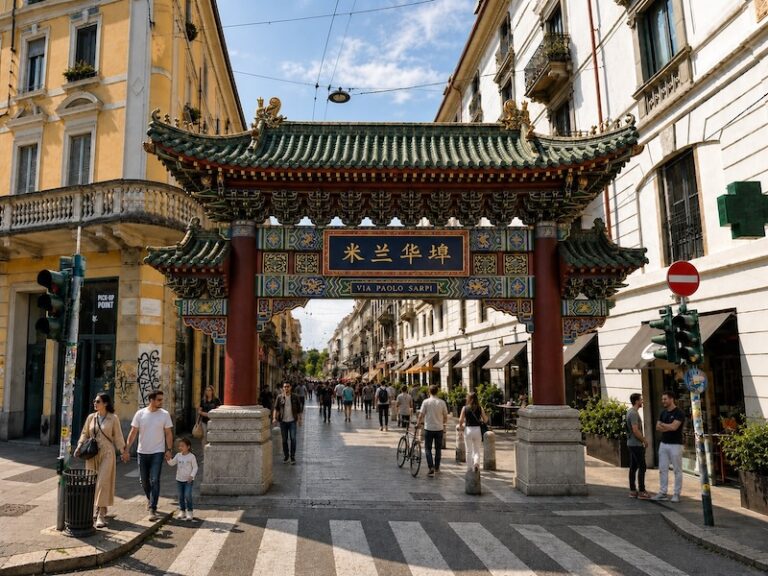
Across the Chinese-speaking world, families and business owners still consult it, often through a traditional almanac, to pick auspicious dates for weddings, moving house, or opening a shop. It is entirely normal for a new Milan restaurant’s opening day to be chosen exactly this way, quietly, with nobody putting it on the menu.
For many Chinese people, especially older generations, the birthday that matters is still the lunar one, meaning they often have two birthdays: the official date on their ID and the one their family actually remembers.
Eating with the season
The solar terms were never only about weather. They quietly shape what people eat, and when. Minor Heat and Major Heat are peak season for cooling food, which is why summer tables lean into watermelon, mung bean soup, cucumber and bitter melon, and away from a bowl of chili oil at 34°C.
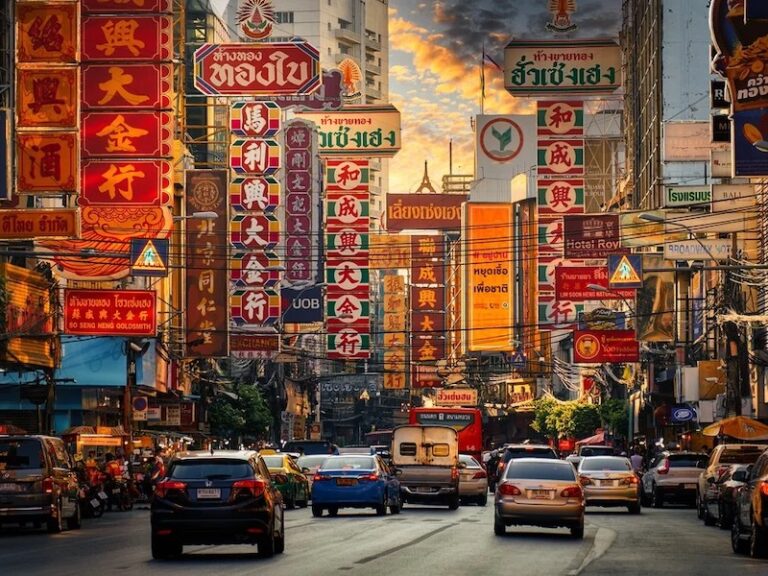
Some terms come with a dish attached. On Dongzhi, the winter solstice, northern families eat dumplings, helped along by the old warning that skipping them will get your ears frozen off, while the south goes for tangyuan, warm glutinous rice balls in sweet broth. Come spring, Qingming brings qingtuan, green sticky-rice dumplings coloured with mugwort. If you have ever wondered why certain dishes surface in Chinatown restaurants and grocery stores only at specific times of year, the answer is often sitting in this calendar rather than on the specials board.

Why it still matters
The 24 solar terms have outlived the farming economy that built them, and people keep them around anyway. They still tie together astronomy, agriculture, food, festivals and everyday routine, and they carry an older idea of what time even is: something you read off the world around you, not the grid of deadlines a modern calendar hands you.
That is the quiet flex of the 24 solar terms. Even in a city that runs on the Gregorian calendar, Milan’s Chinese community keeps a second clock going, one that measures the summer in Minor Heat and Major Heat and gets the timing right more often than you would expect.
So the next time your phone screams about another heatwave, remember the Chinese calendar already has a name for it. Not just summer. Minor Heat, right on time.
Did you learn something new about the Chinese Calendar system? Let us know what you think, and do not forget to bookmark chinatownmilano.it for more Asian culture, food and hidden stories around the city, and follow us on social media @chinatownmilano.it.